


In our daily routine, it is extremely common to trip or hit our toes against different targets, which can cause minor injuries, or more serious cases, fractures. In these situations, it is crucial to be able to recognize when the pain exceeds usual levels, seeking medical assistance to properly address the injury.
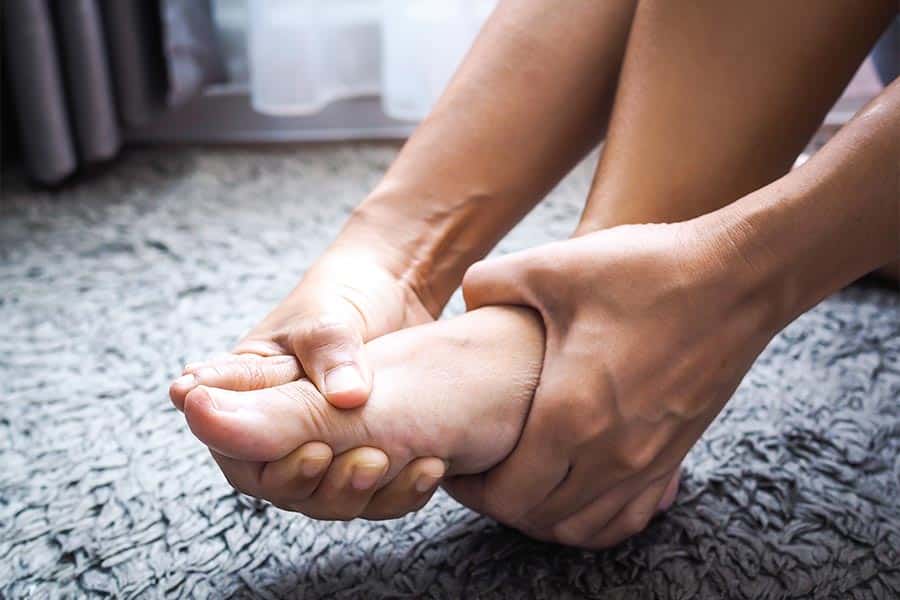
Trauma to the toes
Toe trauma is an extremely common event, often triggered by bumps or trips. Although the vast majority of these incidents do not usually have consequences, they can lead to more severe trauma, such as sprains or fractures.
Toe fractures
Toe fractures are common and usually arise as a result of sudden movements or forceful impacts. These fractures can vary in severity, from minor cracks to more complex fractures involving bone displacement.
When it comes to toe fractures, it is crucial not to underestimate the importance of an accurate diagnosis. Severe, persistent pain can be an indication of the severity of the injury. In many cases, fractures may go unnoticed initially, highlighting the importance of being attentive to signs that may indicate these traumas.
How to know if you have a broken toe
Distinguishing between the pain caused by a simple blow and that caused by a fracture is essential for adequate treatment. If pain persists for a prolonged period, if significant swelling is experienced, or if any noticeable change in the shape or color of the finger is observed, medical attention should be sought. A traumatologist can accurately determine if it is a fracture and provide the appropriate medical treatment to achieve optimal recovery, preventing future complications.

Diagnosis of toe fractures
To obtain an accurate diagnosis of a toe fracture, traumatologists often order medical tests such as x-rays. This type of analysis allows us to accurately evaluate the extent of the fracture, providing the necessary information to address it. Thanks to this study, traumatologists can determine the appropriate treatment and minimize possible associated complications.
Treatment for trauma and fractures in the toes
Treatment for toe trauma and fractures varies depending on the severity of the injury. In cases of minor injuries, measures such as rest, ice, compression and elevation can be chosen. In more severe situations, such as fractures, Treatment may include immobilization through the use of a cast or splints. In extreme circumstances, surgical intervention may be necessary to ensure optimal recovery and prevent long-term complications.
How long does a toe fracture take to heal?
The recovery time for a toe fracture depends on several factors, such as the severity of the fracture, the patient's ability to recover, and compliance with medical instructions. In general, minor fractures can heal within 4 to 6 weeks, while more complex ones may require a longer recovery period. To maximize the effectiveness of the recovery process, it is essential to rigorously follow the instructions provided by the doctor.
Consequences of not treating a fracture in the toes
Failure to properly treat a toe fracture can have significant consequences on the recovery process. Lack of medical care can lead to alignment problems, callus formation, persistence of pain, and limitations in mobility. The intervention of a professional is essential to manage the fracture appropriately, preventing possible complications and facilitating a successful recovery.

Trauma clinic in Madrid specialist in toe fracture treatments
When we face injuries such as fractures, choosing a specialized center becomes essential to guarantee a successful recovery. At Elgeadi Traumatology, we recognize the importance of having quality medical care for critical injuries such as fractures. Our clinic, specialized in traumatology, focuses on the diagnosis and treatment of injuries, ensuring a successful recovery.
In emergency situations, our emergency center at the Quirónsalud San José Hospital in Madrid offers immediate 24-hour care to evaluate and determine if it is a fracture. We have a highly trained medical team that provides excellent care, ensuring an accurate and quick diagnosis.
In Elgeadi Traumatology, we are proud to be a first-class center, committed to the health and well-being of each of our patients. Do not hesitate to choose us as your reference center to receive excellent trauma care and obtain the best possible treatment for your injuries.


22 thoughts on “Traumatismos y fracturas en dedos del pie: síntomas, diagnóstico y tratamientos disponibles”
Hello, I fractured the little toe of my right foot 2 months ago. I still have pain when I walk and my foot swells and the toe looks crooked. I had a cast and I see that it is bad. Can the toe be corrected even though it has been two months. Thanks for answering.
Good morning,
It is possible to correct a crooked pinky finger even after two months, but this may require surgical intervention, depending on the severity of the misalignment. Since you are still experiencing pain and swelling, I recommend that you see an orthopedist as soon as possible to assess the situation and determine the best treatment.
You can make an appointment at +34 91 005 39 00.
Greetings.
Hello, I had a fall a month and a half ago, and at the first medical attention with x-ray, they didn't see anything... after a month, they repeated the x-ray because I still have pain... and if there is a fracture, which has not consolidated, because I didn't know about the fracture and I have not been conservative in the treatment.
Is it possible that I will consolidate after a month and a half? Is it a bad sign that I haven't?
Hello Reme,
We are sorry to hear about your situation. Healing of a fracture can be delayed if it has not been immobilized properly. It is still possible for it to heal, but it is essential to follow proper treatment now and consult a specialist to ensure recovery.
Greetings
مرحبا لدي كسر في اصبع رجلي صغير عملت جبيرة 3اشهر ولم اشفى ونزعتها واعطاني طبيب ادوية لمساعدتي على شفاء مدة شهر ونصف اد لم اشفى سوف اقوم باجراء عملية وانا اخاف من عملية هل هناك علاج من دون عملية
مرحبا،
نأسف لما تمر به من هذه المشكلة. كسور الأصابع قد تكون معقدة، ومن الطبيعي أن يكون لديك مخاوف بشأن العملية الجراحية. من المهم أن تلتزم بتوجيهات الطبيب وتناول الأدوية كما هو موضح لدعم الشفاء.
في بعض الحالات، إذا لم يلتئم العظم بشكل كامل من خلال العلاج التحفظي، قد تكون الجراحة ضرورية لضمان الشفاء وتجنب المضاعفات على To the great. من الضروري أن يقوم اختصاصي بتقييم حالتك بشكل دقيق لتحديد ما إذا كانت الجراحة هي الخيار الوحيد أو إذا كانت هناك بدائل أخرى.
إذا رغبت، يمكننا تحديد موعد مع أطبائنا المتخصصين ليتمكنوا من مراجعة حالتك وتقديم رأي ثاني يساعدك في اتخاذ أفضل قرار لصحتك. يمكنك الاتصال بنا على الرقم +34 91 005 39 00 لتحديد موعدك.
Hello, I had an accident at work and a stainless steel box fell on my big toe. The first attention I received was in the emergency room of a hospital where they took an x-ray and they saw that I had a fissure in the last phalanx of the toe. The next day they repeated the x-ray at the health insurance company where they told me that they did not see a fissure as such… It was great that I was going to show the x-ray to an orthopedic surgeon… At the hospital they told me to see an orthopedic surgeon in 15 days but that it was the health insurance company that was in charge of assessing whether they would see me or see me in the hospital. Well, in any case, my toe became infected after 3 days. I went back to the health insurance company and they pricked me where the pus bag was made (a bag was made in the skin where the nail starts). I am feeling a little better now and I am putting weight on my foot. What I feel are strange pains but not persistent, sometimes burning and heat in the toe, stings and a pain that radiates throughout my entire body. finger and now everything around the finger itches, and it continues to ooze after a week, I don't know if it's normal or if there is some kind of complication, it's better than at the beginning and the insurance company, well, they don't tell me much either, we already know how it works, the sooner you go to work the better for them.
Thank you for answering my question.
Hello,
I'm so sorry to hear about what you've been going through with your finger injury. The fact that your finger has become infected and is oozing after a week could be a sign that the infection hasn't fully resolved. Aches, burning, warmth, and stinging can be normal during the healing process, but if the area is still oozing, it may be indicative that the infection is still present or has even returned.
We would recommend that you insist on a consultation with a specialist orthopedic surgeon, who can review both the x-ray and the progress of the injury. Also, if the infection is still present, you may need additional antibiotic treatment or some procedure to ensure that the infection does not worsen.
It is important not to delay medical attention in this case, as a prolonged infection could affect the healing of the fracture. If the insurance company is not providing enough information, do not hesitate to seek a second medical opinion.
Greetings.
مرحبا أنا حدث معي أني تعثرت وسقطت في الشارع وانا أمشي. منذ سنة
وكان سقوطي على يدي فسبب انخلاع في مفصل إصبعي الصغير لم أجرح
ذهبنا إلى المشفى وقامو بتجبير بعدها شعرت إصبعي الصغير ما تثبتت بشكل جيد كامل وفككت الجبار
تركت يدي بحالها ولم تعد تؤلمني. لكن إصبعي بقي مخلوع لا يعمل بشكل كامل
هل استطيع تثبيته وتجبيره الان بعد فترة طويلة من الزمن وشكرا
مرحبًا، شكرًا على رسالتك. بما أنه مر عام على الإصابة، نوصيك بمراجعة أخصائي في جراحة العظام لتقييم الحالة الحالية لإصبعك وتحديد ما إذا كان من الممكن إجراء علاج أو تدخل لتصحيح الخلع. في بعض الحالات، قد يكون من الضروري تثبيت الإصبع ووضع الجبيرة، ولكن من المهم أن يقيم متخصص حالتك بشكل فردي. لا تتردد في تحديد موعد للحصول على تقييم دقيق.
Hello. A month ago, I fell and bent my left big toe. It turned slightly purple all the way down to the base of the foot. I applied cream and ice and continued with my work activities, walking in flat shoes. A week ago, I stood for about two hours, and it swelled again, and I felt some pain and discomfort. The X-ray showed a fracture with some dispersion. Now I feel stabbing pains. I have tape attached to the next toe. What should I do? Are the stabbing pains normal now? Can I walk?
Hello,
If the X-ray shows a dispersion fracture, it's important to have a specialist assess the appropriate treatment. Swelling and stabbing pain may be normal during the recovery process, but improper support of the foot could worsen the injury. Ideally, you should avoid excessive weight bearing and consult with an orthopedic surgeon to determine whether immobilization of the toe or other treatment is necessary. If you'd like a specialized evaluation, our team can help.
Greetings.
I have a fractured pinky toe on my right foot. I have it immobilized with the one next to it but I haven't been able to rest. I feel pain when I rest it. After it passes, what can I do?
Hello,
In cases of a pinky toe fracture, it is important to carefully follow medical instructions, especially regarding rest and immobilization. While pain may be normal in the early stages, if it persists or occurs even at rest, it would be advisable to have your doctor reevaluate your condition.
Treatment may need to be adjusted, additional inflammation assessed, or medication prescribed to relieve pain. It's also important to ensure the immobilized finger is in the correct position and that everything is progressing well.
We advise you to consult again with your primary care physician so they can review your progress and provide you with the best guidelines for your recovery.
Greetings.
Hello, I had a grade two sprain a month ago. This Monday they're sending me for an X-ray so I can do the therapies and they showed that I have a fracture in my big toe. The only thing I have is swelling of the toe, I have no pain, I just feel burning, stinging and itching in the toe.
I haven't been to the traumatologist yet, which is what they recommend I do.
Hello,
Thank you for your message. It's important that, even if you don't feel pain, you consult an orthopedic surgeon as soon as possible, especially after receiving the X-ray results showing a fracture. Feeling burning, stinging, or itching can be a sign of irritation or inflammation in the area.
The orthopedic surgeon will be able to properly assess the situation and decide if additional treatment is necessary or if therapies can be started. In the meantime, I recommend avoiding weight on the finger and keeping it elevated to reduce swelling.
Greetings.
Hello, I fractured my little finger two weeks ago. Four days after the fracture, they told me to start walking because it wasn't moving. Currently, I'm pain-free and have only slight swelling at night. Should I overcome my fear of putting weight on it because it's not going to move anymore?
Hi Sofia, if the fracture wasn't displaced and two weeks have passed with good progress, the risk of displacement is low, but it's advisable to gradually put weight on it while wearing rigid shoes as prescribed by your doctor. If pain or deformity reappears, seek medical attention.
What do you mean by rigid footwear?
Hi Francisca, by "rigid footwear" we mean a shoe with a hard, stable sole that barely bends at the front. It helps limit toe movement and protect the fracture; like a short boot, hiking boot, or post-operative shoe.
Good morning
I had a non-displaced fracture in the big toe of my right foot, it's been 14 days since they immobilized it, they told me to make a follow-up appointment, but I don't know how many days to wait before making the appointment.
I need some guidance
Good morning Yarlidys. In a non-displaced fracture of the big toe, the follow-up appointment is usually scheduled 2-3 weeks after the injury/immobilization (that is, you can request it now) to assess progress and, if necessary, adjust weight-bearing or immobilization.