


A fall or a blow to the elbow can affect its function and make everyday movements difficult. One of the causes is... fracture of the radial head, an injury that should be identified and treated appropriately.
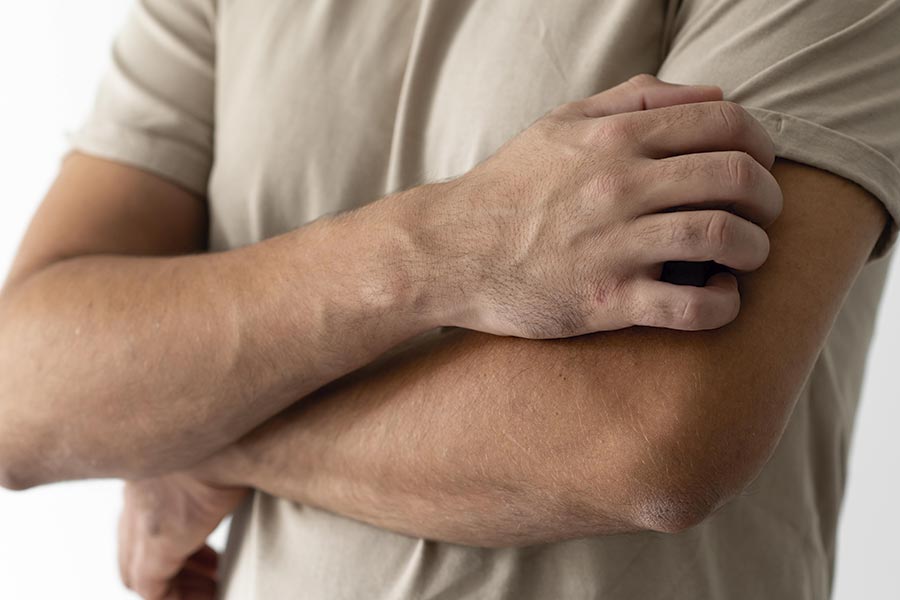
What is a radial head fracture and why does it affect elbow mobility?
The head of the radius is the upper part of this forearm bone and forms part of the elbow joint. When a fracture occurs in this area, pain and limited movement may appear, especially when bending the arm or rotating the forearm.
The impact will depend on the type of fracture and degree of displacement of the bone fragments. Therefore, it is important to make an accurate diagnosis in order to determine the most appropriate treatment.
What is the function of the radial head in flexion and rotation of the forearm?
The head of the radius It participates in various movements and provides stability to the elbow.. Its main functions include:
- Allow flexion and extension of the elbow.
- Facilitate forearm rotation, necessary to turn the palm of the hand upwards or downwards.
- Contribute to joint stability.
- To transmit some of the forces that the arm withstands during daily activities.
What falls or traumas usually cause a radial head fracture?
The most frequent cause is a falling with hand on the ground and arm extended. The force of the impact is transmitted to the elbow and can cause a fracture. can occur as a consequence of:
- Direct blows to the elbow.
- Falls during sports practice.
- Traffic or bicycle accidents.
- High-energy trauma affecting the upper limb.
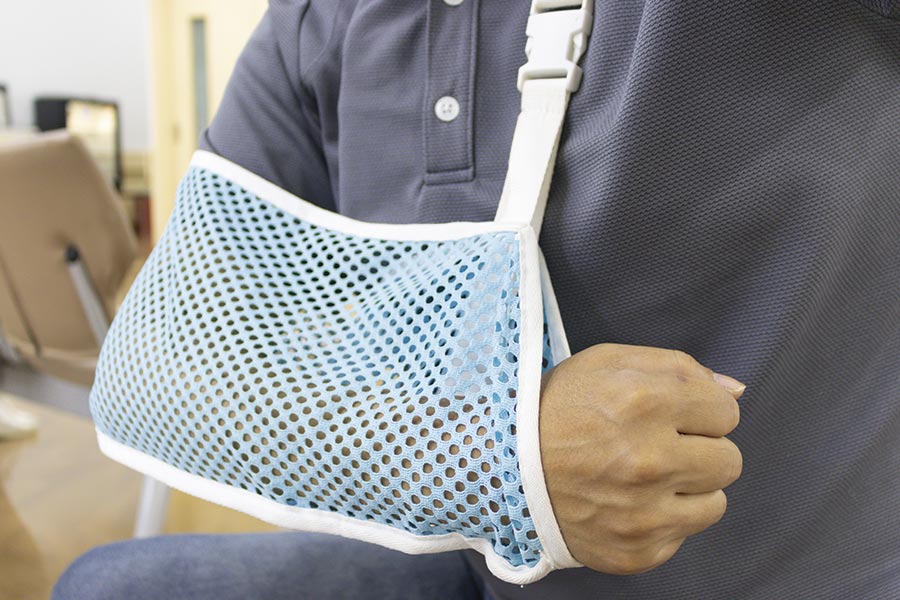
What symptoms indicate a possible radial head fracture in the elbow?
A fracture of the radial head can cause Pain on the outside of the elbow, swelling, and difficulty moving the arm. The discomfort usually appears after a fall or a blow, and may increase when trying to bend the elbow or rotate the forearm.
How to differentiate a radial head fracture from a sprain or contusion?
After a fall, A fracture of the radial head can be mistaken for a sprain or a contusion., All of these injuries can cause pain and inflammation. However, a fracture usually limits certain movements more significantly, especially forearm rotation.
Although symptoms can guide the diagnosis, Only a medical evaluation and imaging tests can confirm the type of injury..
What warning signs require urgent trauma assessment after a fall?
Some symptoms may indicate a more serious injury and require an orthopedic evaluation as soon as possible. Among the main warning signs they find each other:
- Intense pain that does not improve with rest.
- Inability to move the elbow or forearm.
- Visible deformity in the joint.
- Significant inflammation that appears rapidly.
- Tingling, loss of sensation, or difficulty moving the hand or fingers.
Why might it hurt when you turn your palm up or down?
Turning the palm up or down depends, in part, on the proper functioning of the radio head. When this area is fractured, movement can be painful because the joint is directly involved in the rotation of the forearm.
For this reason, pain when performing these movements is one of the signs that the traumatologist takes into account during the clinical examination.

How are radial head fractures diagnosed and what types exist?
The diagnosis begins with a physical examination in which The orthopedist evaluates the pain, mobility, and stability of the elbow.. To confirm the injury and determine its characteristics, imaging tests are necessary.
What x-rays or imaging tests confirm a radial head fracture?
The X-ray is usually the first test used to confirm a radial head fracture. It allows the identification of most fractures and the assessment of whether there is displacement of the bone fragments.
In some cases, they may be necessary further tests to obtain more accurate information, as:
- Computed tomography (CT), when the fracture needs to be studied more closely.
- Magnetic resonance, if associated injuries to ligaments or cartilage are suspected.
What is the difference between a non-displaced, displaced, or comminuted fracture?
Radial head fractures can to be classified according to the position and number of bone fragments. This classification helps in choosing the most appropriate treatment.
The main types are:
- Non-displaced fracture: The bone is broken, but the fragments remain in position.
- Displaced fracture: The fragments have shifted, which can affect the function of the joint.
- Comminuted fracture: The bone breaks into several fragments, so it is usually a more complex injury.
What treatment and recovery are available for radial head fractures?
Treatment will depend on the type of fracture, the degree of displacement, and the individual needs of each patient. The goal is to relieve pain, restore elbow mobility and promote proper bone healing.
When can a radial head fracture be treated without surgery?
Non-displaced fractures or fractures with minimal displacement They are usually treated conservatively.. In these cases, treatment may include:
- Immobilization for the time indicated by the traumatologist.
- Pain and inflammation control.
- Gradual start of mobility exercises.
- Follow-up through clinical and radiographic reviews.

When is surgery, a prosthesis, or fixation needed to recover the elbow?
Surgery is usually reserved for displaced fractures, with multiple fragments or associated with other elbow injuries. The procedure will depend on the characteristics of each case. surgical options may include:
- Fixing the fragments with screws or plates.
- Removal of small fragments when they cannot be reconstructed.
- Replacement of the radial head with a prosthesis in the most complex cases.
What exercises help restore mobility and prevent elbow stiffness?
Rehabilitation is a fundamental part of recovery and should begin following the specialist's instructions. The exercises are adapted to the progress of each patient. and they seek to gradually restore elbow function. Some of the most common are:
- Controlled flexion and extension of the elbow.
- Gentle pronation and supination exercises of the forearm.
- Mobilizations to improve range of motion.
- Strengthening exercises when consolidation allows.
In Elgeadi Traumatology We are specialists in the diagnosis and treatment of elbow injuries. If you experience symptoms, book an appointment with our team.


