


The hip is involved in many of the movements we make when walking, running, or playing sports. When these movements produce a repeated clicking or popping sound, it may be snapping hip syndrome.

What is snapping hip and why does it produce a clicking sound when walking?
The springy hip is a alteration in which a jump or click is perceived during certain movements. This phenomenon occurs due to the displacement of tissues or structures of the hip during movement.
Between the main causes of the clicking they find each other:
- Tendon slippage: They can rub or move over bony structures when flexing and extending the hip.
- Movement of the iliotibial band: Its passage over the greater trochanter can generate a noticeable jump in the lateral area.
- Alterations within the joint: Labral tears or loose bodies in the joint can also cause clicking sounds.
What is the difference between internal, external, and intra-articular spring hips?
The classification depends on the structure that causes the clicking sound:
- Internal spring hip: It is usually related to the iliopsoas tendon, which moves over structures in the front of the hip.
- External spring hip: It generally appears due to the sliding of the iliotibial band or gluteus maximus fibers over the greater trochanter.
- Intra-articular snapping hip: The origin is found within the joint itself and may be associated with labral lesions, loose bodies, or other joint alterations.
Why can snapping hip be painless or cause discomfort?
The intensity of the symptoms depends on the degree of irritation of the tissues and structures involvedTherefore, it can manifest itself in different ways:
- Painless: Some people only perceive the jump or sound, without it limiting their usual activities.
- With local irritation: Repeating the movement can inflame tendons or nearby tissues and cause discomfort.
- With an associated injury: When there is an alteration within or around the joint, the clicking may be accompanied by pain and limited mobility.
- With repeated overload: Certain sports activities or frequent movements can increase friction and make symptoms more noticeable.

What symptoms does snapping hip cause in athletes and active adults?
The most characteristic symptom is a a clicking or jumping sensation when moving the hips. In some cases, pain, stiffness, or discomfort may also occur during physical activity.
Why does a jump or popping sound occur in the hip when lifting the leg?
When raising and lowering the leg, certain Tendons or tissues move over bony structures of the hip. This movement can generate the characteristic jump or snap, especially when it is repeated frequently.
When is hip popping accompanied by groin or side leg pain?
The location of pain can provide guidance on the structures involved:
- Groin pain: It can appear when the iliopsoas muscle is affected or there is an alteration within the joint.
- Side pain: It is usually related to tissue friction on the greater trochanter.
- Pain with exercise: It can become more noticeable when running, climbing stairs, or repeating hip flexion movements.
What signs indicate that snapping hip needs medical evaluation?
It is advisable to consult with a specialist when The snapping sound ceases to be an isolated phenomenon and signs appear such as:
- Frequent or progressively increasing pain.
- Limitation in walking, training, or performing usual movements.
- Feeling of being blocked or loss of mobility.
- Discomfort that persists despite reducing activity.
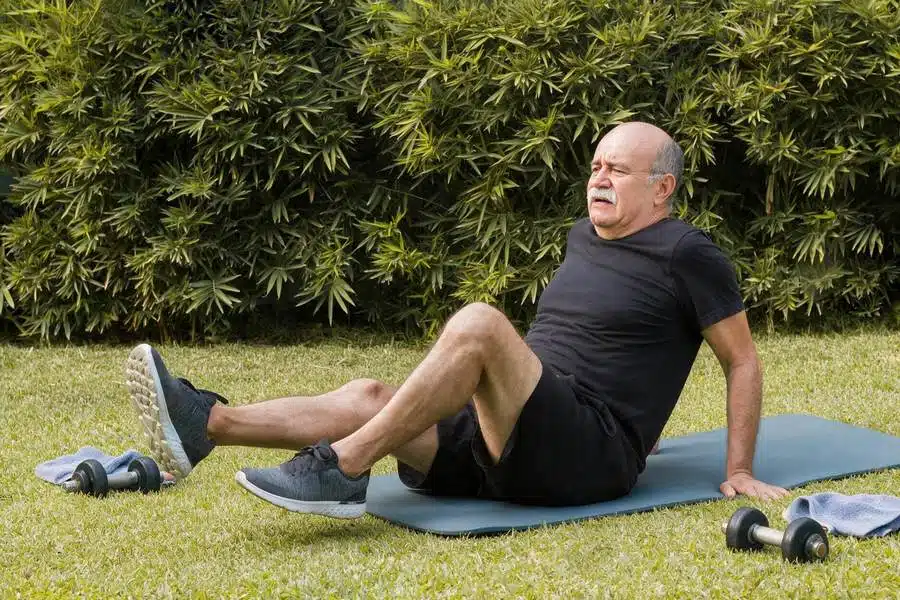
How do you properly diagnose snapping hip syndrome?
The diagnosis is based primarily on symptoms and physical examination of the hip. The specialist is looking for reproduce the clicking sound, locate its origin, and assess whether there are any associated injuries.
What exploration maneuvers help to locate the origin of the clicking sound?
During the exploration, different movements can be performed to identify which structure causes the spring:
- Hip flexion and extension: They allow you to check when the click appears.
- Leg rotation: It helps to assess mobility and reproduce certain types of springs.
- Palpation during movement: It allows you to locate whether the jump originates from the front or side of the hip.
What tests are used to rule out associated hip injuries?
When The exploration needs to be completed., Imaging tests such as the following may be requested:
- Radiography: It allows for the assessment of bone structure and the detection of possible alterations.
- Dynamic ultrasound: It shows the movement of tendons and other tissues while the clicking sound is played.
- Magnetic resonance imaging: It helps to identify injuries to the labrum, tendons, or other joint structures.

What treatment is available for snapping hip?
Treatment depends on the cause of the clicking sound and the severity of the symptoms. In most cases, it begins with Conservative measures to reduce discomfort and restore mobility.
When do stretching and physical therapy help with snapping hip?
Stretching and physiotherapy are often helpful when the problem is related to Muscle tension, overload, or movement disorders.
The treatment may combine mobility exercises, stretching and strengthening to reduce friction and improve hip function.
When might surgery be indicated if snapping hip does not improve?
Surgery may be considered when Conservative treatment fails to relieve the symptoms and these affect normal activity. This may be especially relevant in the following situations:
- Persistent pain despite adequate treatment.
- Functional limitation that makes sports or daily activities difficult.
- Associated injuries within the joint that require surgical treatment.
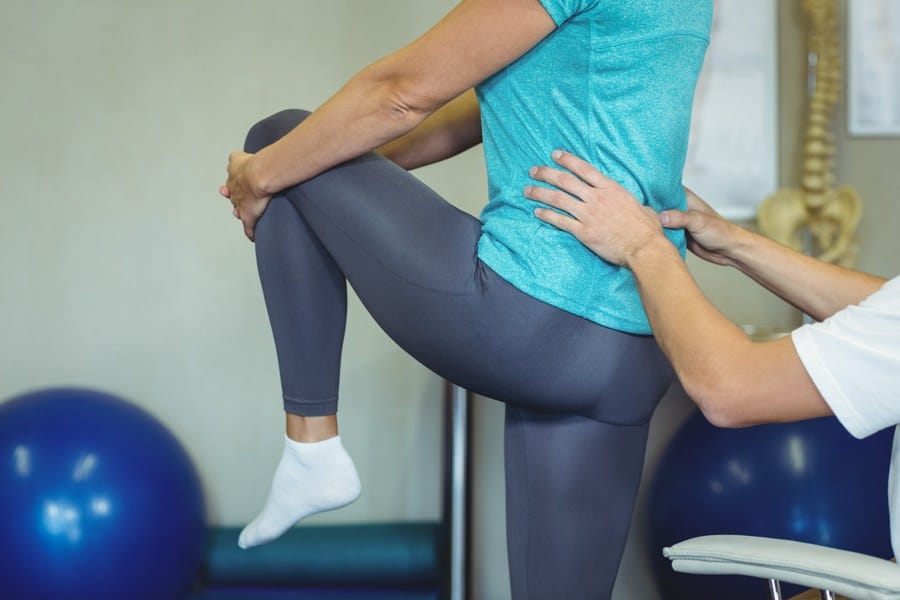
How to return to sports after treating a snapping hip?
The return to sport It must be done progressively and in an adapted manner. according to each person's evolution. Some important guidelines are:
- Regain hip mobility without pain.
- Progressively work on strength and stability.
- Gradually increase the intensity and duration of the exercise.
- Initially avoid movements that may cause discomfort again.
- Follow the instructions of the specialist and the rehabilitation team.
In Elgeadi Traumatology We treat hip injuries with an approach tailored to each individual case. If you experience pain or frequent clicking or popping sounds, book an appointment with our team of specialists.


